
Roasted Coffee Beans: How Roasting Affects Flavour And How To Choose The Best Beans
Roasted coffee beans are green coffee beans that have been heated to develop flavour, aroma, and complexity, and the roast level, origin, and freshness of those beans directly shape what ends up in your cup. Understanding what happens during roasting provides a clearer picture of why coffee tastes the way it does.
This guide explores how roasted coffee beans are developed, how roasting influences flavour, and how to choose coffee that delivers a better experience in the cup.
What Are Roasted Coffee Beans?
Roasted coffee beans are green coffee beans that have been heated to develop flavour, aroma, and structure. Before roasting, coffee beans are pale in colour, dense in texture, and relatively mild in aroma. While they contain the building blocks of flavour, they have not yet developed the characteristics associated with brewed coffee.
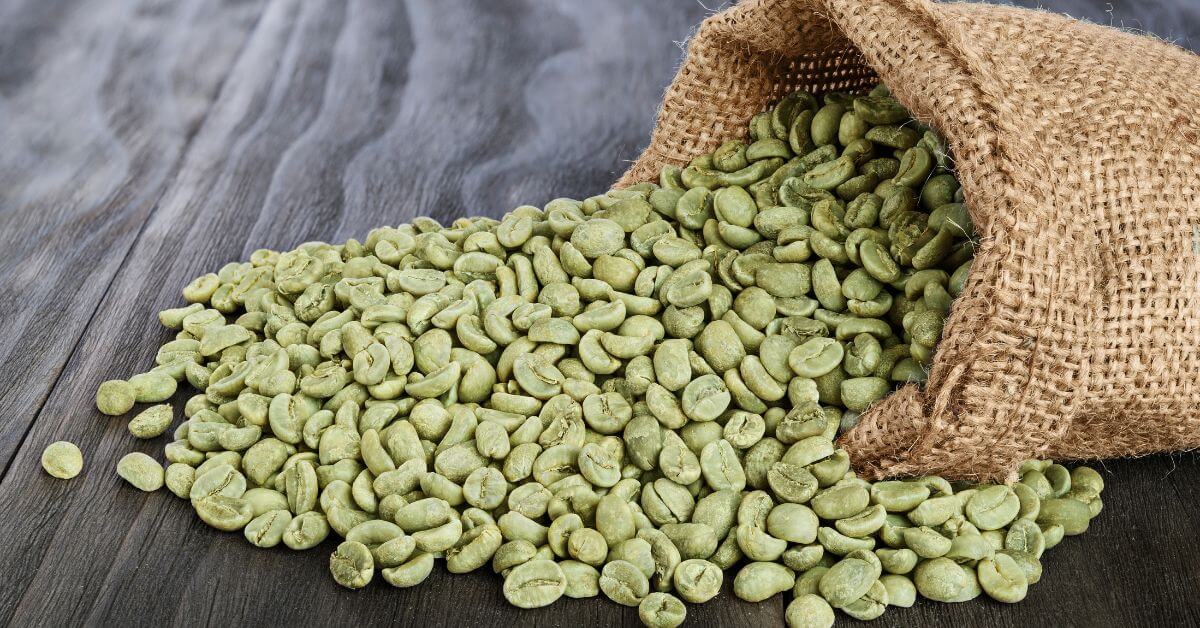
As heat is applied, the beans expand, darken in colour, and undergo changes that develop flavour compounds and aromatic qualities. Roasting unlocks the bean’s natural potential, creating the sweetness, richness, and complexity found in the final cup.
How The Coffee Roasting Process Works
The coffee roasting process takes place in distinct stages:
- Drying phase: Moisture is gradually removed from the bean, preparing it for flavour development
- First crack: Internal pressure builds until the bean expands, signalling the start of major flavour changes
- Development phase: Flavour becomes more refined, balanced, and defined
Throughout roasting, temperature, time, and airflow all work together to shape the final result. Small adjustments during these stages can create noticeable differences in the cup.
Light, Medium And Dark Roasted Coffee Beans Explained
Roast level has a significant influence on how roasted coffee beans express themselves. There are three different roast levels of coffee beans:
Light Roast Coffees
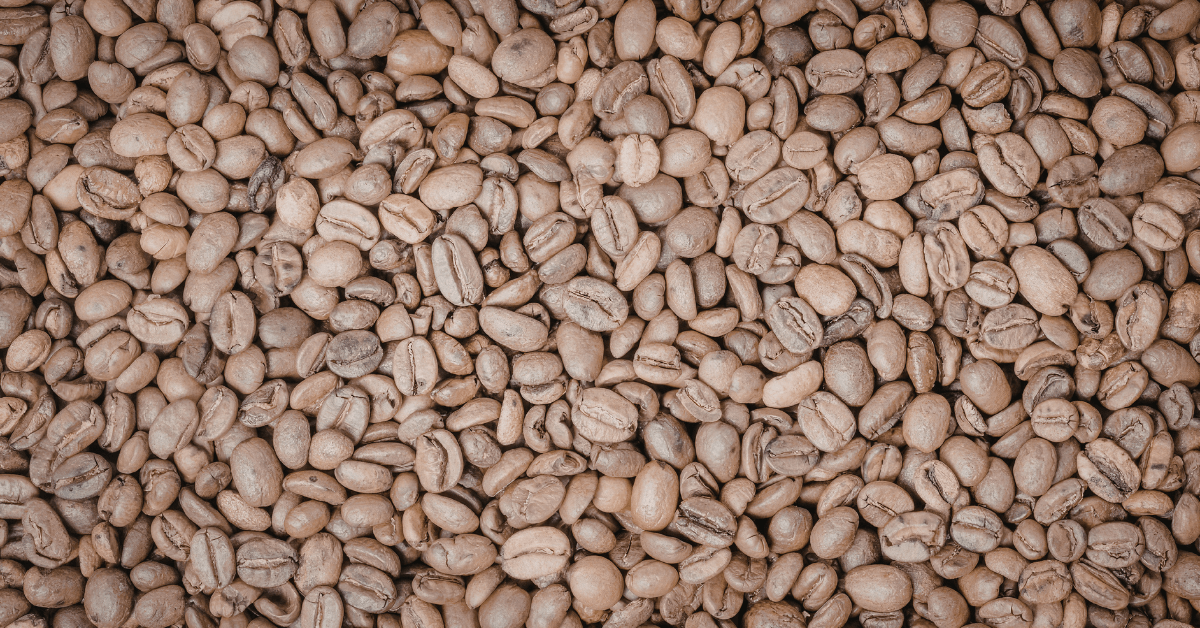
Light roast coffees spend less time developing under heat. These coffees often preserve more of the bean’s natural characteristics, creating brighter acidity and allowing origin flavours to become more noticeable. Fruit, floral, or citrus notes are often more pronounced.
Medium Roast Coffees
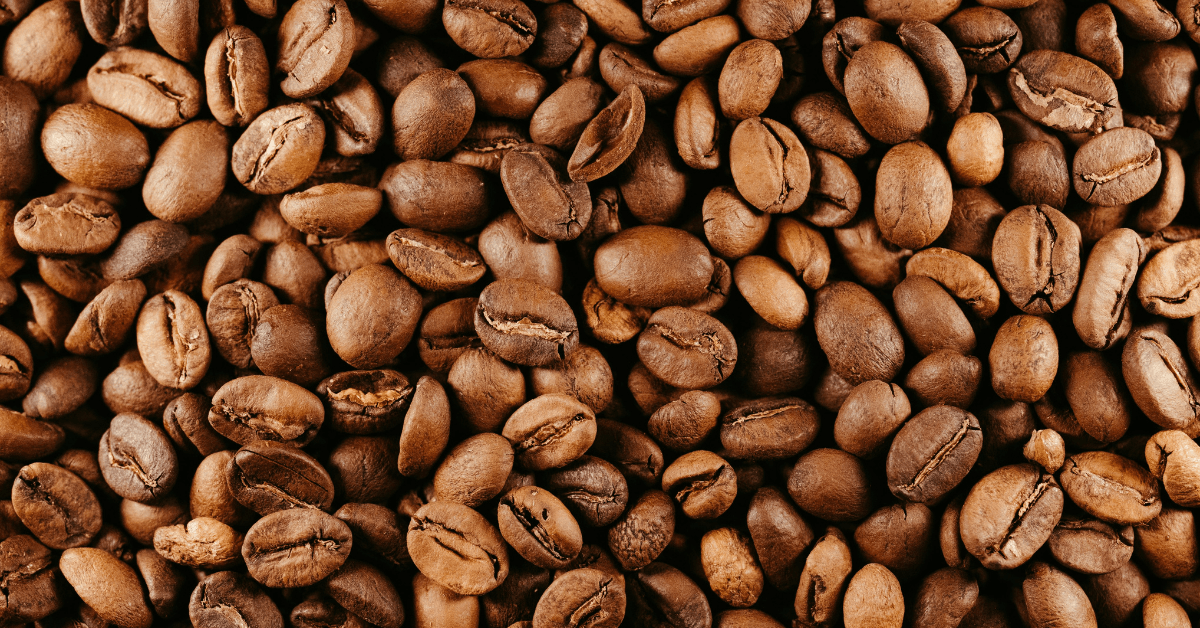
Medium roast coffees offer a more balanced profile. Acidity becomes softer, sweetness develops further, and the body becomes smoother and more rounded. Medium roasts are often chosen for their versatility and balanced character.
Dark Roast Coffees
Dark roast coffees continue developing for a longer period, creating bold and intense flavours. These coffees generally have lower acidity and a heavier body, often bringing forward richer notes associated with cocoa, caramel, or deeper roasted characteristics.
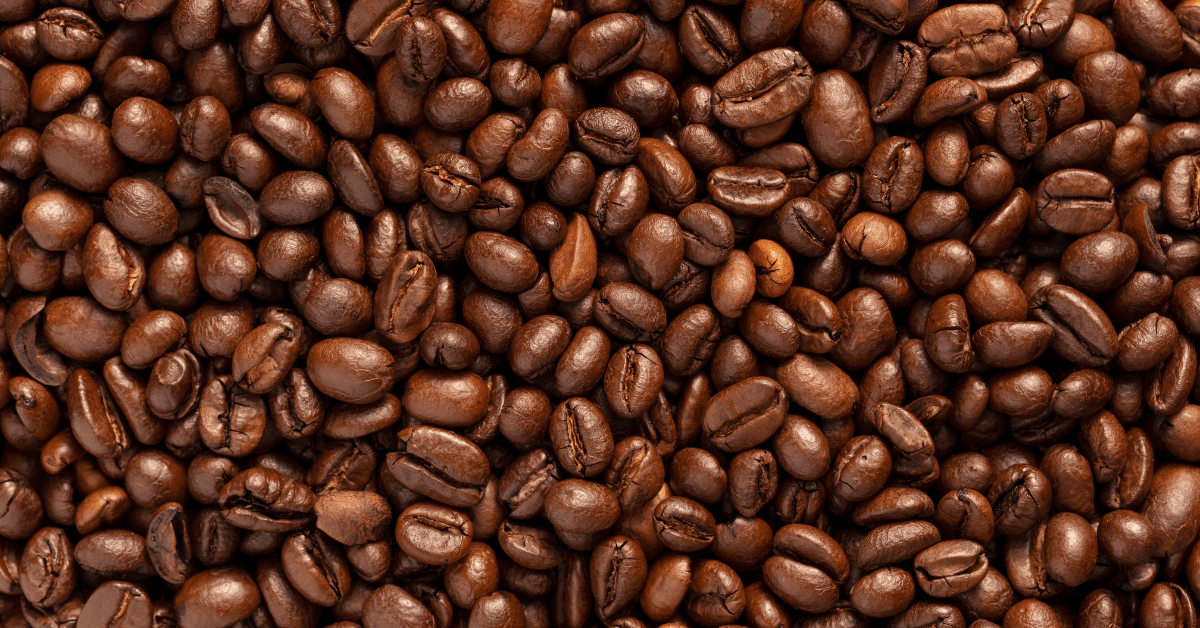
No roast level is necessarily better than another. The right choice often depends on personal preference and how someone enjoys their coffee.
How Roasting Affects Flavour, Aroma And Body
Roasting directly shapes how coffee beans express flavour in the cup, influencing acidity, sweetness, bitterness, and body; all key parts of the coffee flavour profile. Even the same bean can taste completely different depending on roast level.
Light roasts preserve acidity and highlight delicate, origin-driven flavours. Medium roasts create a smoother balance between sweetness and body. Dark roasts develop deeper, fuller textures with more intense flavour characteristics. These differences become clear in the cup, where a single coffee can shift from bright fruit notes at a lighter roast to richer chocolate-like sweetness at darker levels.
Roasting also defines coffee aroma, shaping the familiar scent experience of freshly brewed coffee. More than colour change, it determines how flavour is expressed from first sip to finish.
Why Freshly Roasted Coffee Beans Matter
Freshness has a direct impact on quality. After roasting, coffee naturally begins releasing carbon dioxide through a process called degassing. Freshly roasted beans benefit from a short resting period of around one to fourteen days, depending on roast level, before reaching their ideal brewing window.
Freshly roasted coffee beans often provide greater clarity, stronger aroma, and a more vibrant flavour experience than older coffee that has been sitting for extended periods.

As coffee ages, oxygen gradually begins affecting flavour compounds. Aromas can become weaker and flavours can lose their definition, creating a flatter cup overall. This is why freshness matters. It helps preserve the qualities that roasting worked to develop.
Whole Bean vs Ground Coffee: Which Should You Choose?
Roasted coffee beans are available as both whole bean coffee and ground coffee, each suited to different brewing preferences.
Whole Bean Coffee
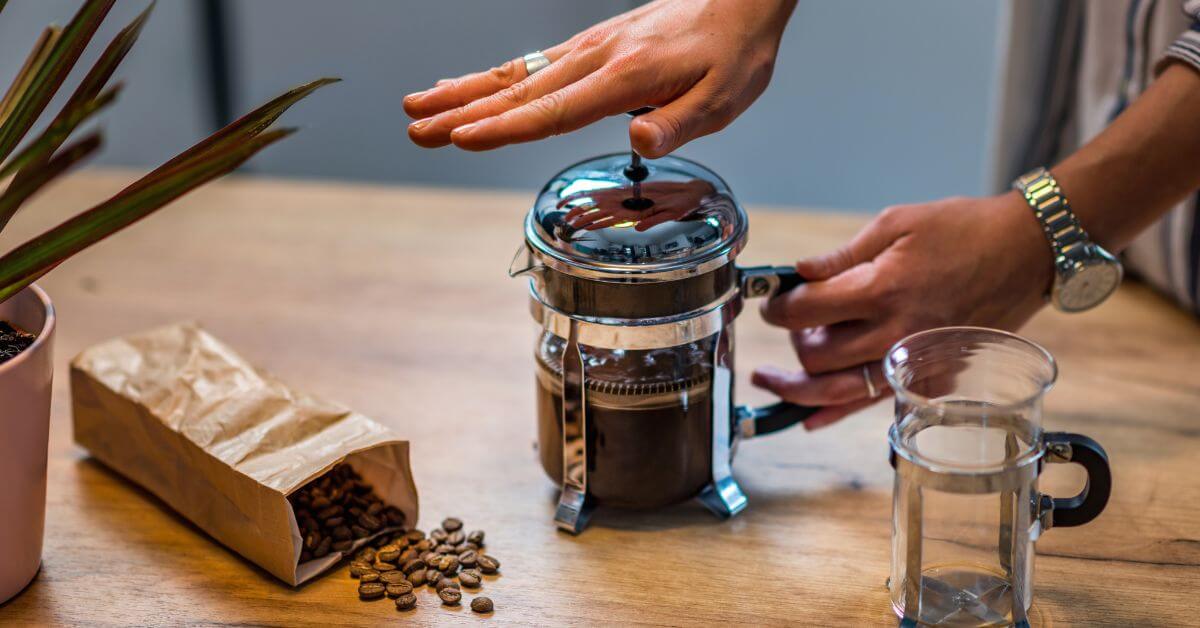
Whole bean coffee generally retains flavour for longer because the beans remain intact until brewing. It also offers greater control over grind size, allowing adjustments based on brewing methods such as espresso, French press, or filter coffee.
Ground Coffee
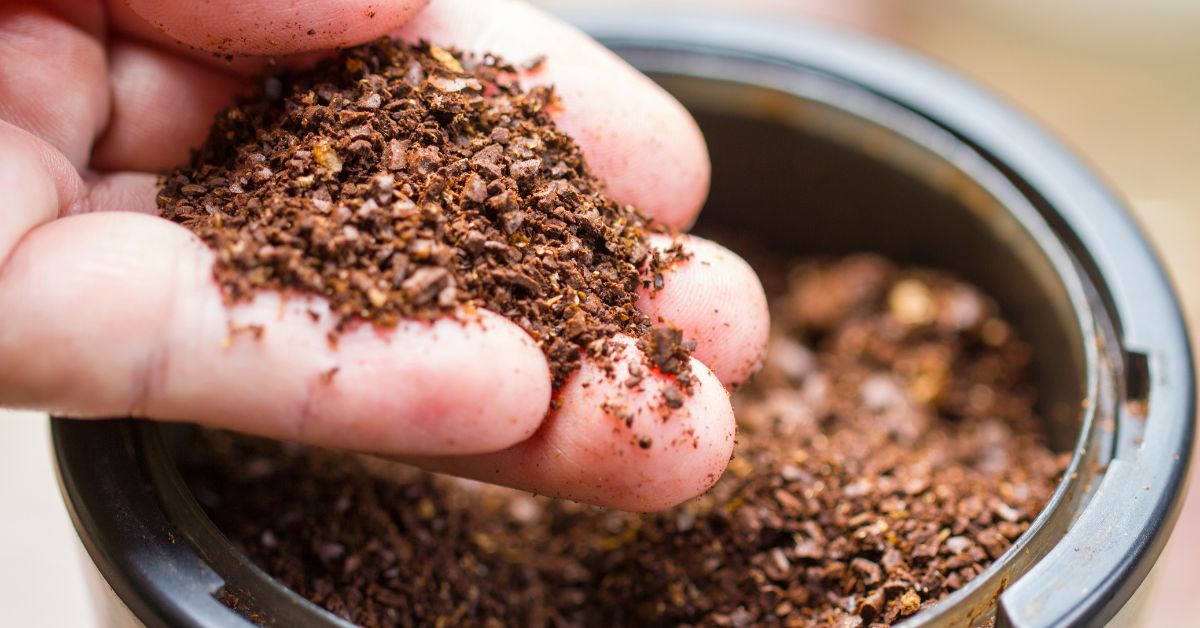
Ground coffee provides convenience and simplicity. It allows coffee to be prepared immediately without the need for additional equipment, making it suitable for everyday routines where speed matters.
The right choice often depends on brewing style and how much control someone wants over the final cup.
How To Choose High-Quality Roasted Coffee Beans
Choosing quality roasted coffee beans begins with understanding what to look for. High-quality coffee often starts with Arabica coffee beans, known for their natural sweetness and complexity. These beans provide a strong foundation for flavour development and are often preferred in specialty coffee.
Freshness also matters. Looking for a roast date can provide a better indication of quality than relying only on packaging information.
Transparency around sourcing is another important signal. Understanding where coffee comes from and how it was produced often reflects greater attention to consistency and quality.
At the same time, it can help to avoid generic mass-produced products where flavour may be secondary to volume. Quality coffee generally places greater emphasis on sourcing, roasting, and consistency.
How To Store Roasted Coffee Beans Properly
Proper storage helps preserve the quality of roasted coffee beans for longer. Coffee should be stored in airtight containers to reduce oxygen exposure and protect flavour compounds from breaking down.
It should also be kept away from direct light, heat, and moisture. Exposure to these elements can speed up flavour loss and reduce the characteristics developed during roasting. Simple storage habits help maintain freshness and allow the coffee to retain its intended profile for longer.
How Kayrin Coffee Roasters Delivers Quality Roasted Coffee Beans
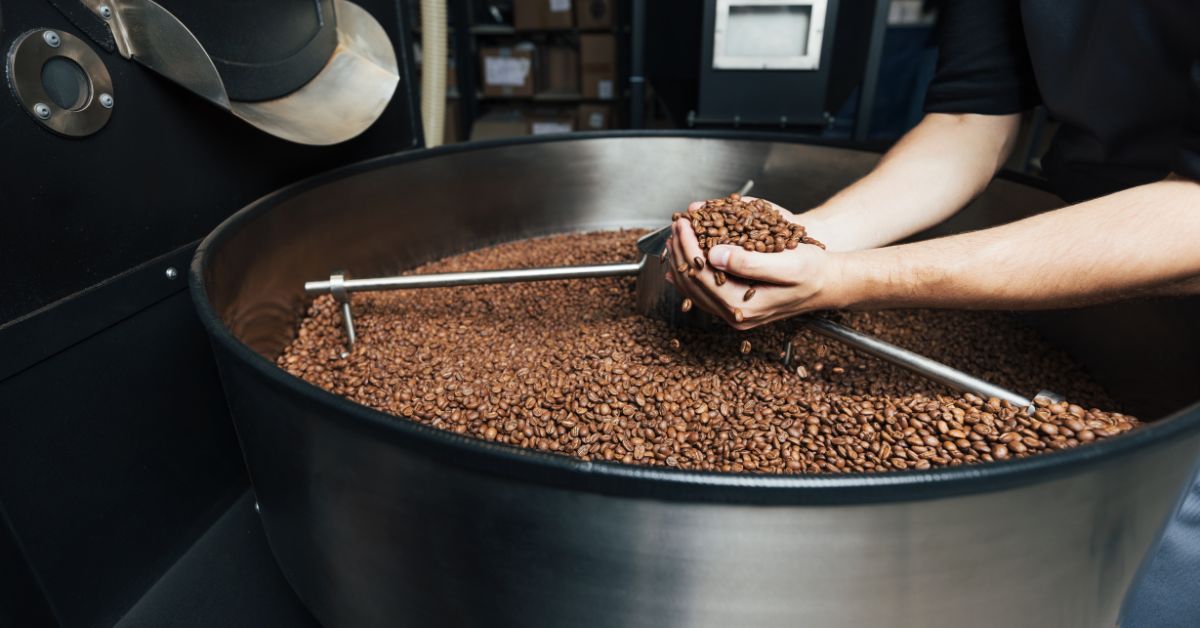
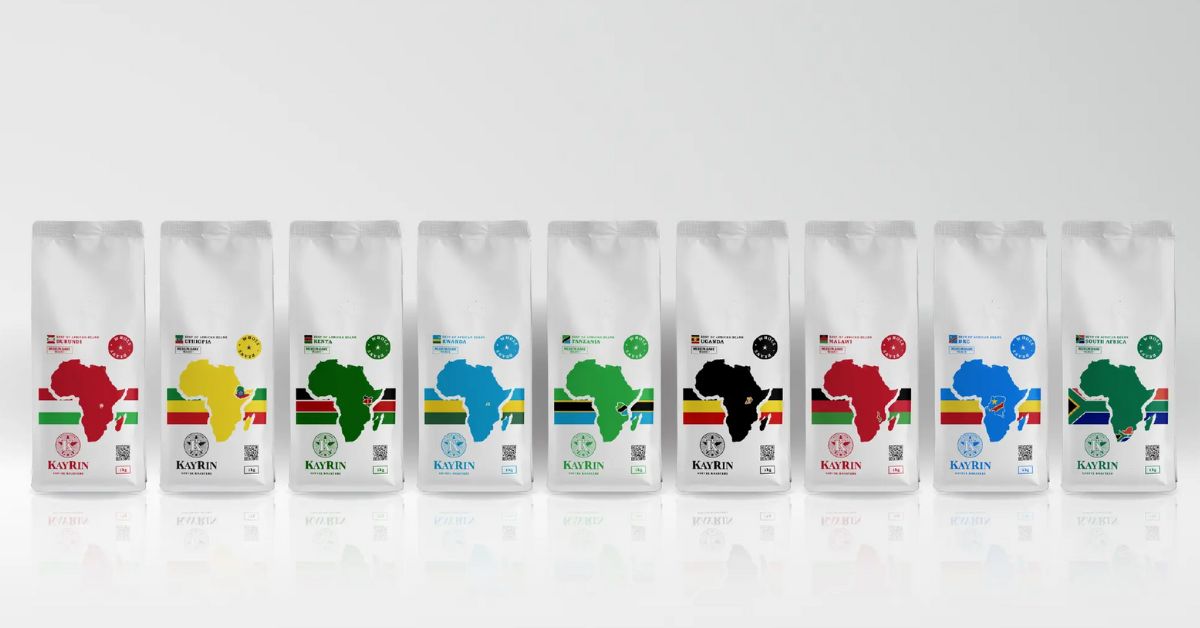
At Kayrin Coffee Roasters, roasted coffee beans are treated with care from sourcing through to roast development. Based in Cape Town and roasting for over 16 years, Kayrin Coffee Roasters sources beans from across Africa and beyond, including their own Best of Africa range which celebrates the unique flavour profiles of origins such as Ethiopia, Kenya, Burundi, and South Africa. It begins with carefully selected Arabica coffee beans, chosen for their flavour potential and consistency. Through controlled small-batch roasting, each coffee is developed with precision, allowing flavour and aroma to emerge without overpowering the bean’s natural character. Rather than creating a single approach for all coffees, roasting is adapted to highlight the unique qualities of each bean, focusing on balance, clarity, and flavour expression.
The Kayrin range includes both single origin coffee and carefully crafted coffee blends, offering different flavour profiles while maintaining a consistent roasting philosophy. This attention to detail reflects a commitment to producing premium coffee beans with depth, balance, and a refined coffee experience.
How To Brew Roasted Coffee Beans For The Best Results
Brewing is the final stage in revealing the character of roasted coffee beans. Grind size should match the brewing method, as this directly affects extraction. A finer grind suits espresso, while a coarser grind works better for French press or plunger. Water temperature also plays an important role, as brewing between 90 and 96 degrees Celsius helps extract flavour cleanly without introducing bitterness. Maintaining a balanced coffee-to-water ratio helps preserve flavour consistency. Small adjustments in brewing can significantly influence the final cup.
Choosing The Best Roasted Coffee Beans
Roasted coffee beans define the foundation of every coffee experience. The roasting process shapes flavour, aroma, and balance, transforming green coffee into something expressive, rich, and full of character.
From roast development and freshness to brewing and storage, each stage plays a role in how the final cup tastes. Choosing coffee from experienced roasters ensures greater consistency, clarity, and depth in every sip.
Explore Kayrin’s wide range of roasted coffee beans online, or contact us today to find the flavour that suits you best.