
Decaf Coffee Beans: How They’re Made, What They Taste Like, and How To Choose the Right One
Decaf coffee beans are often misunderstood. For a long time, they were seen as a compromise, something chosen when caffeine was no longer an option. Today, that perception has shifted. Modern processing methods allow decaf coffee beans to retain much of their natural structure and flavour, making them a deliberate choice rather than a lesser one.
People choose decaf coffee beans for different reasons: sensitivity to caffeine, evening rituals, or simply balance in daily intake. In every case, the intention remains the same: to enjoy the flavour and ritual of coffee without the stimulant effect.
This guide explores how decaf coffee beans are made, how they taste, and how to choose quality that reflects craft rather than compromise.
What Are Decaf Coffee Beans?
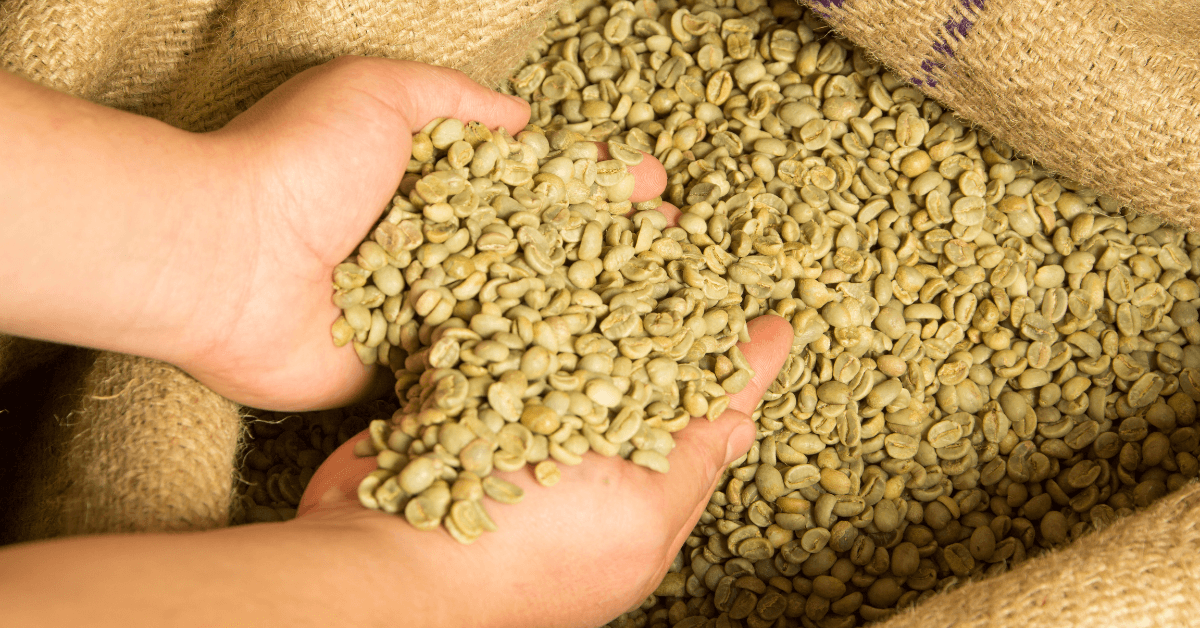
Decaf coffee beans are coffee beans that have had most of their caffeine removed while preserving flavour and aroma. They still contain small trace amounts of caffeine, but significantly less than regular coffee. High-quality decaf coffee beans are usually processed using methods such as the CO₂ decaffeination process or Swiss Water processing to maintain flavour integrity.
How Decaf Coffee Beans Are Made
The production of decaf coffee beans relies on carefully controlled extraction methods designed to preserve flavour while removing caffeine.
One of the most precise methods is the CO2 decaffeination process. This method uses carbon dioxide under specific conditions to selectively extract caffeine while leaving flavour compounds largely untouched. Another widely used method is the Swiss Water process coffee, which relies on water filtration to remove caffeine naturally, without chemical solvents.
Both approaches are designed to protect the integrity of speciality coffee beans, ensuring that flavour remains as close as possible to its original profile before decaffeination.
Do Decaf Coffee Beans Taste Different?
A common assumption is that decaf coffee beans lack depth or complexity compared to regular coffee. In reality, flavour depends more on bean quality and roasting than on caffeine removal. Well-processed decaf coffee beans, especially those made from Arabica coffee beans, can still deliver layered notes such as chocolate, nuttiness, and subtle fruit. In quality roasts, this often comes through as a chocolatey and bold profile, with smooth body and balanced flavour.

When decaf coffee beans are poorly sourced or processed, the result can taste flat, not because they are decaf, but because quality was not prioritised. Ultimately, good decaf coffee beans retain character, structure, and depth when handled with care.
How To Choose High-Quality Decaf Coffee Beans
Choosing decaf coffee beans begins with understanding the origin and process. High-quality options typically start with Arabica coffee beans, known for their natural sweetness and complexity. The decaffeination method is equally important, with CO₂-based processing often preferred for its flavour preservation. Freshness also matters. Properly roasted coffee beans retain clarity and structure far better than older or mass-produced alternatives. Avoid overly commercial blends where quality is secondary to volume. With decaf coffee beans, precision at every stage defines the final cup.
Whole Bean vs Ground Decaf Coffee
Decaf coffee beans are available as both whole bean coffee and ground coffee, each serving a different purpose. Whole bean coffee offers greater freshness and allows full control over grind size, which directly influences extraction and flavour. Ground coffee provides convenience, making it suitable for quick preparation without additional equipment. Both formats can deliver quality results when the base product is well-crafted decaf coffee beans.
When Should You Drink Decaf Coffee?
One of the strengths of decaf coffee beans is flexibility. They are commonly enjoyed in the evening, allowing the ritual of coffee without disrupting rest. Many also use decaf coffee beans to reduce overall caffeine intake while still enjoying multiple cups throughout the day. Rather than replacing regular coffee, decaf coffee beans extend the coffee experience into different moments of daily life.
Why The Roasting Process Matters For Decaf Coffee Beans
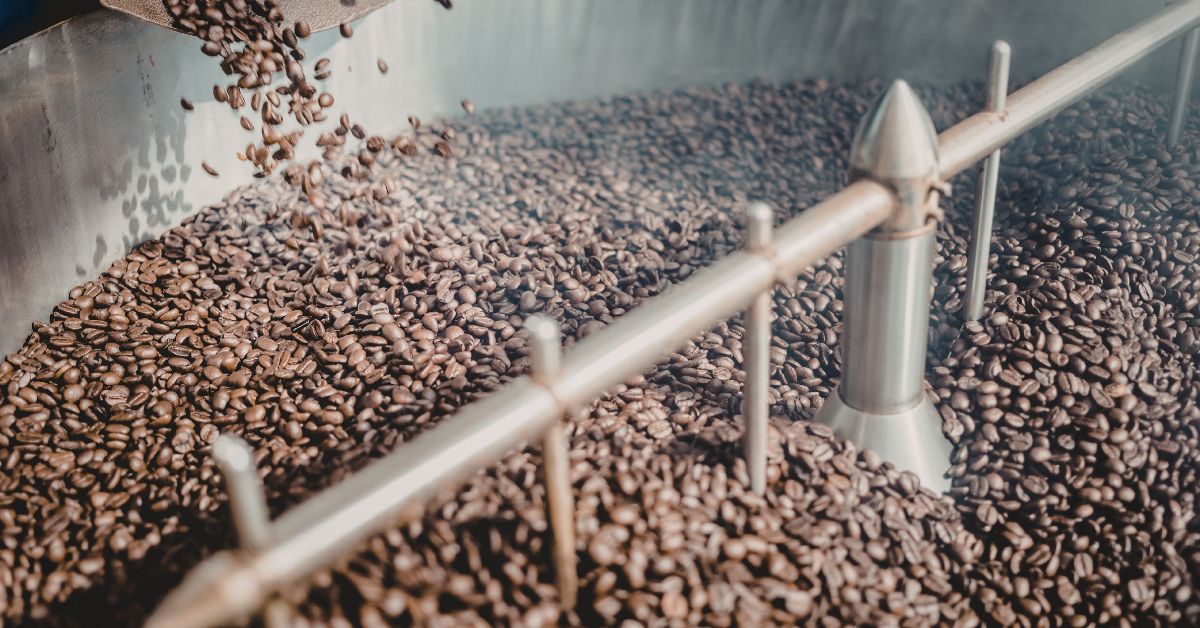
Roasting plays a defining role in shaping decaf coffee beans. Because decaffeination slightly alters the bean’s composition and moisture content, roasting requires careful control to preserve flavour balance. Thoughtful roasting is therefore essential to preserve balance in the cup and highlight flavour notes that may soften during decaffeination.
When executed well, roasting reveals depth and clarity, from chocolate-like richness and gentle sweetness to a rounded, smooth body. When handled inconsistently, it can flatten complexity and reduce definition in the cup.
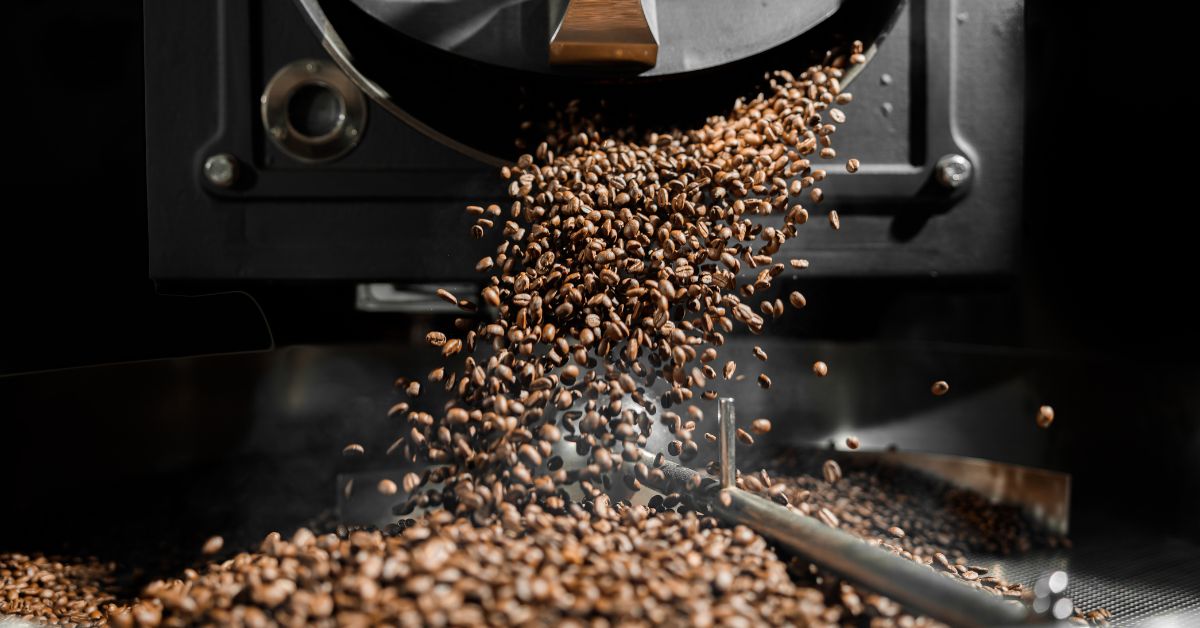
At a small-batch level, brands like Kayrin Coffee Roasters approach roasting with greater control over development, ensuring each batch of decaf coffee beans is treated with precision rather than volume. This reflects a focus on skilled roasting, where flavour and balance are shaped deliberately at every stage of the process. Instead of rushing development, each roast is guided as it evolves, maintaining consistency while preserving character.
This attention to detail allows decaf coffee beans to retain structure and clarity, protecting flavour integrity from roast to cup. In this way, roasting is where decaf coffee beans fully take shape.
How Kayrin Coffee Roasters Delivers Quality Decaf Coffee Beans
At Kayrin Coffee Roasters, decaf coffee beans are treated with the same level of care as any other coffee in the range. Only carefully selected Arabica coffee beans are used, providing a strong foundation of flavour before undergoing the CO₂ decaffeination process, chosen for its ability to preserve structure while gently removing caffeine.
The result, Columbia Decaff Co2 range is defined by balance, a chocolatey and bold profile with a full-bodied, creamy mouthfeel, layered with dark chocolate depth and subtle sweet fruit notes, finishing smooth and rounded.
Available as both whole bean coffee and ground coffee in 250g and 1kg formats, these decaf coffee beans offer flexibility in preparation without compromising quality, reflecting Kayrin’s roasting philosophy of treating each bean as unique and developing it with precision to express its most desirable characteristics.
How To Brew Decaf Coffee For The Best Flavour
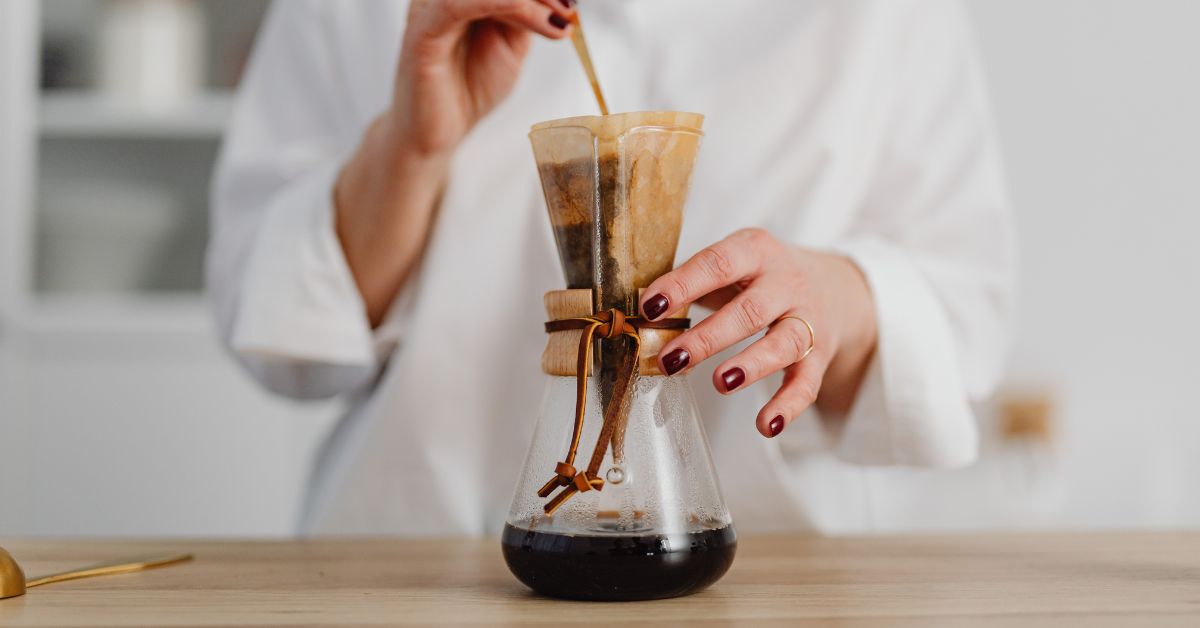
Brewing decaf coffee beans well depends on attention to detail. Grind size should match the brewing method to ensure balanced extraction. Water temperature should be controlled rather than boiling, allowing flavours to express themselves clearly.Different methods highlight different aspects of the bean. Filter brewing enhances clarity, espresso brings intensity, and immersion methods create a fuller body. When treated correctly, decaf coffee beans perform with the same nuance as any carefully crafted coffee.
Enjoy a Perfect Decaf Coffee With Kayrin’s Coffee Roasters
Decaf coffee beans are no longer defined by what has been removed, but by what remains. When sourced as speciality coffee beans, processed with care, and roasted with precision, they offer a complete coffee experience. Whether enjoyed as whole bean coffee or ground coffee, they deliver structure, depth, and balance without caffeine. Choosing well-crafted decaf coffee beans is not about compromise. It is about intention.
Explore Kayrin’s decaf range online and experience flavourful coffee shaped by process, not limitation.