
Filter Coffee: What Is It and How Do You Make It Properly?
Filter coffee is one of the simplest ways to brew a fresh cup of coffee. Using hot water, ground coffee, and a filter, this brewing method produces a clean, balanced cup without the pressure or specialised equipment needed for espresso. It is popular for both home and workplace brewing because it is simple to prepare, easy to adjust and can produce consistent results cup after cup.
How to Make Filter Coffee
Learning how to make filter coffee doesn’t require complicated equipment. The process is straightforward, but fresh beans, the right coffee-to-water ratio, and suitable water temperature can make a noticeable difference in the final cup.
1. Start with freshly ground coffee
Use freshly roasted beans where possible and grind them shortly before brewing. This helps preserve the coffee’s flavour and aroma.
2. Prepare your filter
Place the paper filter into your brewer or machine. If you’re using a manual brewer, rinse the filter with hot water before adding the coffee. This removes any papery taste and warms the brewing vessel.
3. Measure your coffee and water
A useful starting point is around 60g of coffee per litre of water. Adjust this based on how strong you like your coffee.
The filter coffee ratio is a starting point, not a fixed rule. If your coffee tastes too strong, use slightly less coffee. If it tastes too weak, use more.

4. Use the right water temperature
Water temperature affects how much flavour the coffee releases. Water that is too cool may result in under-extraction, while excessively hot water can produce an unpleasant taste. A temperature of around 90–96°C is a useful general range for brewing.
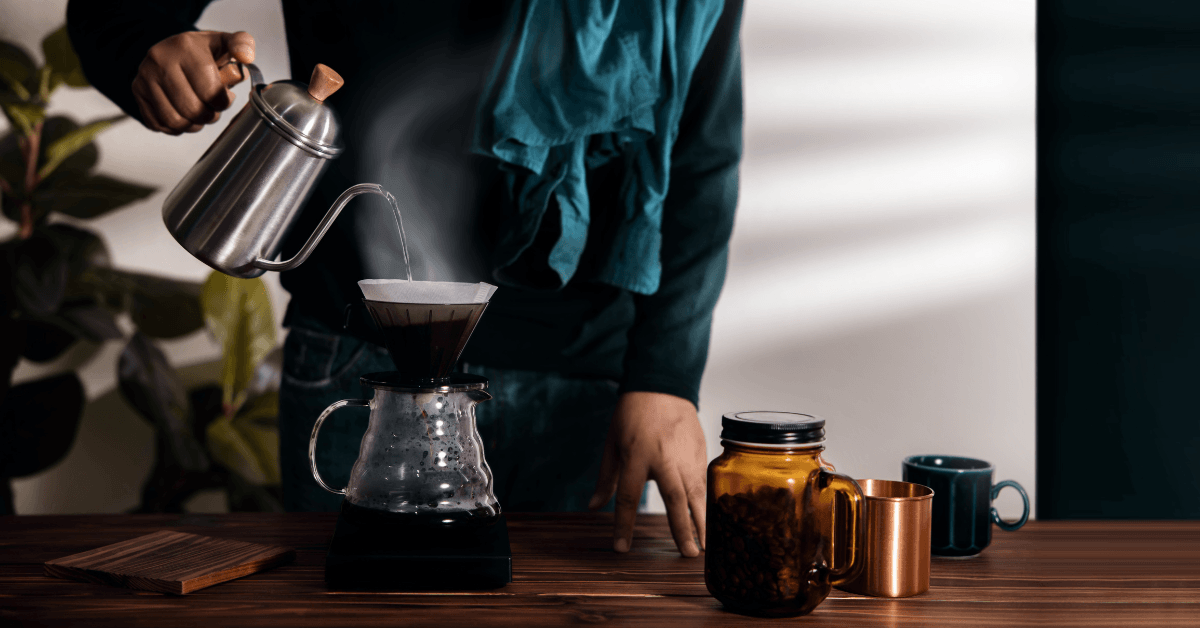
5. Brew
Add the coffee grounds and slowly pour water over them, or let your machine distribute the water. With a manual brewer, pour steadily to ensure the grounds are evenly saturated.
Once the water has passed through the grounds, remove the filter and your coffee is ready to enjoy.
What Is Filter Coffee?
Filter coffee is a brewing method that uses hot water, ground coffee and a filter. The water passes through the coffee grounds, extracting flavour and aroma before flowing through the filter and into a cup or carafe. The filter traps the coffee grounds and some oils, creating a clean, smooth cup.
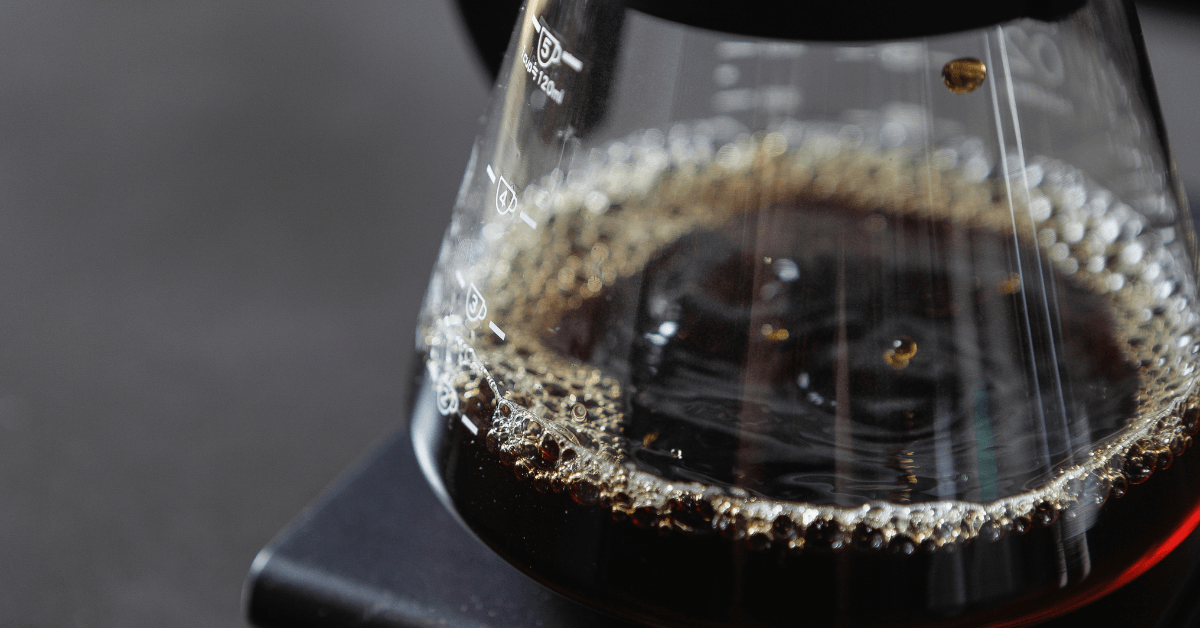
Unlike espresso, which uses pressure to force hot water through finely ground coffee to produce a concentrated shot, filter coffee relies mainly on gravity. The water takes longer to pass through the grounds, resulting in a larger and generally lighter drink.
What Grind Size Should You Use for Filter Coffee?
Grind size plays an important role in how quickly water moves through the coffee grounds and how much flavour is extracted. Using the right grind helps create a balanced cup without over- or under-extracting the coffee.
For most filter machines and pour-over brewing methods, a medium grind is a useful starting point. It should generally be finer than a French press grind but coarser than an espresso grind.
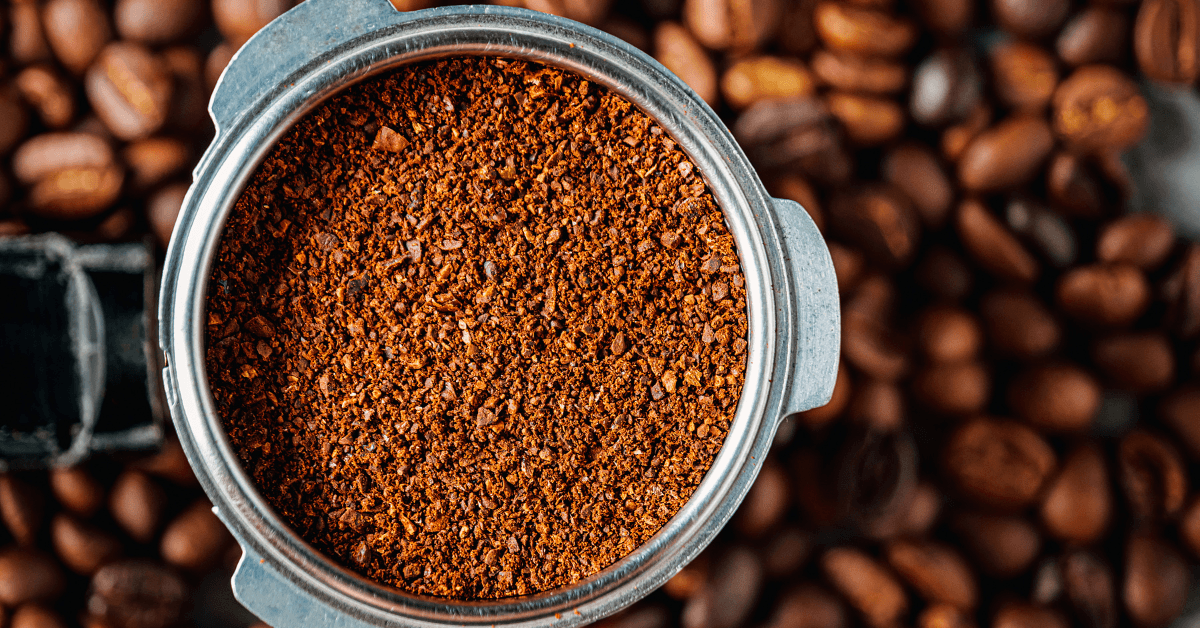
The ideal filter coffee grind size can vary by equipment and filter coffee brewing method. If the coffee tastes weak or sour, try using a slightly finer grind to increase extraction. If it tastes bitter or takes too long to brew, a slightly coarser grind may help.
A good grinder makes these adjustments easier, allowing you to change the grind without changing your beans or brewing equipment.
What Coffee Beans Are Best for Filter Coffee?
No single coffee bean is best for everyone. The right choice depends on the flavours you enjoy and how you prefer your coffee to taste.
Single-origin coffees are a good option if you want to explore the distinctive characteristics of beans from a particular growing region. Blends combine beans from different origins to create a balanced and consistent flavour profile, making them another good choice for everyday brewing.
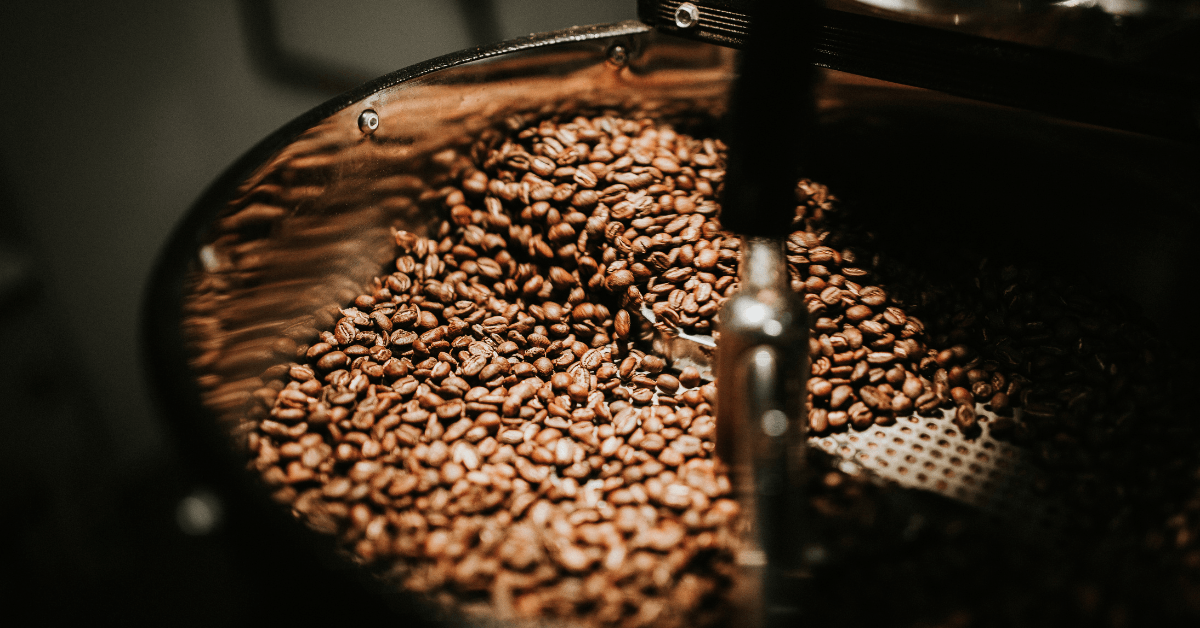
Light to medium roasts are often well suited to filter brewing because they can highlight the natural flavours and aromas of the beans. Darker roasts can also work well if you prefer a fuller, more intense flavour.
When choosing the best coffee beans for filter coffee, freshness is more important than following a strict rule about origin or roast. Freshly roasted beans will generally offer more flavour, so try different origins, blends and roast levels to find the coffee you enjoy most.
KayRin Coffees offers a range of coffees from African, Asian, Central American and South American origins, including both blends and single-origin coffees, giving you plenty of options to experiment with.
What Does Filter Coffee Taste Like?
The flavour of filter coffee can vary depending on the beans, roast, grind size, water and brewing method. Compared with espresso, it generally produces a cleaner, lighter cup, allowing more of the coffee’s individual flavours and aromas to come through.
The beans you choose strongly influence flavour. Single-origin coffees can have distinctive fruity, floral or nutty characteristics, while blends can offer a more balanced flavour profile. Roast level also matters. Light roasts tend to highlight brighter and more delicate flavours, while medium roasts can provide greater sweetness and body.
Grind size affects how much flavour is extracted during brewing. A grind that is too fine can result in over-extraction and a bitter taste, while a grind that is too coarse can produce a weak or sour cup. Finding the right balance lets the coffee’s natural characteristics come through.
Filter Coffee Machine vs Manual Pour-Over
Both automatic machines and manual pour-over equipment can produce a good cup of filter coffee, but they offer different levels of convenience and control.
A pour-over coffee setup gives you more control over the brewing process. You can adjust the amount of water, pouring speed and timing, making it a good option if you enjoy experimenting with different coffees and brewing techniques. However, it requires more attention and is generally better suited to making one or a few cups at a time.
An automatic machine is more convenient for everyday brewing. Add the coffee and water, switch it on and let the machine handle the brewing. It is particularly useful when you want a consistent result or need to prepare several cups at once, making it a practical choice for families or offices.
Ultimately, the better option depends on how you prefer to brew. Manual pour-over suits coffee drinkers who want control over the process, while an automatic machine suits those who prioritise convenience, consistency, and larger batches.
How to Choose a Filter Coffee Machine
When choosing a filter coffee machine, consider how you plan to use it rather than simply choosing a machine with the most features. Capacity, brewing temperature and ease of cleaning can all affect how practical it is for your needs.
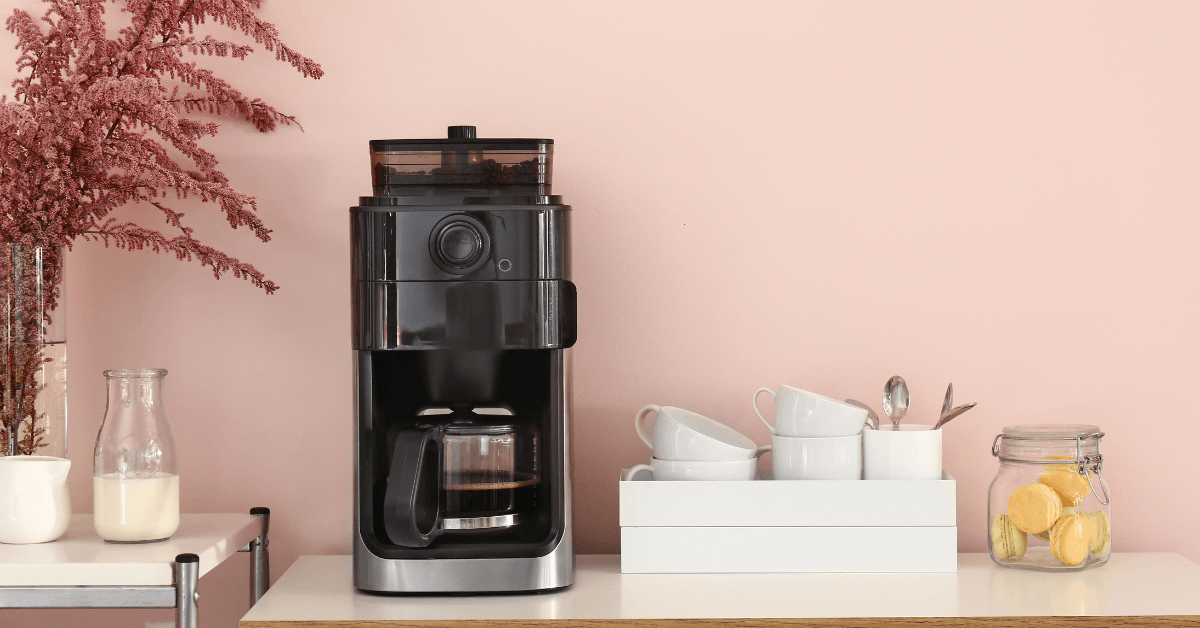
Capacity
Think about how many people you usually need to serve. A smaller machine may suit one or two people, while a larger brewer can be more practical for families or offices that need several cups at once.
Brewing temperature
Consistent water temperature helps create more reliable results from one brew to the next. Look for a machine designed to maintain a suitable brewing temperature throughout the brewing process.
Ease of cleaning
Regular cleaning helps keep your coffee equipment performing well and prevents old coffee oils from affecting the flavour. Consider how easy the machine is to clean and whether its removable components can be washed easily.
Home or office use
For home brewing, size, simplicity and ease of use may be the most important factors. In an office or commercial setting, durability, capacity and brewing speed may take priority.
KayRin Coffee Roasters offers brewing equipment for both home and commercial use, including Moccamaster and Bravilor options. These provide different solutions depending on the volume of coffee you need to brew and the level of convenience you want.
Frequently Asked Questions
Is filter coffee stronger than espresso?
Not necessarily. Filter coffee vs espresso comes down to concentration and serving size. Espresso is more concentrated because it is brewed as a small shot, while filter coffee contains more water. However, a larger cup of filter coffee can still contain a lot of caffeine.
Is filter coffee the same as Americano?
No. Filter coffee vs Americano involves two different brewing methods. Filter coffee is made by passing hot water through ground coffee and a filter. An Americano is made by adding hot water to an espresso shot, creating a diluted espresso-based drink.
How much coffee should I use for filter coffee?
A good starting point is around 60g of coffee per litre of water. You can adjust this depending on your preferred strength, the coffee you are using and your brewing equipment. Experimenting with the ratio can help you find your preferred balance.
Can you use espresso beans for filter coffee?
Yes. You can use espresso beans for filter brewing. The term “espresso beans” usually refers to coffee selected or roasted for espresso, rather than a specific bean type. Keep in mind that darker roasts may produce a stronger, more intense flavour.
Is filter coffee healthier than other coffee?
Coffee brewed through a paper filter contains lower levels of cafestol and kahweol than unfiltered coffee. These compounds can raise LDL cholesterol. However, whether filter coffee is healthier overall depends on how much you drink, what you add to it and your individual health needs.